The Surge in API Attacks in 2026: Why Endpoints Are the Primary Target
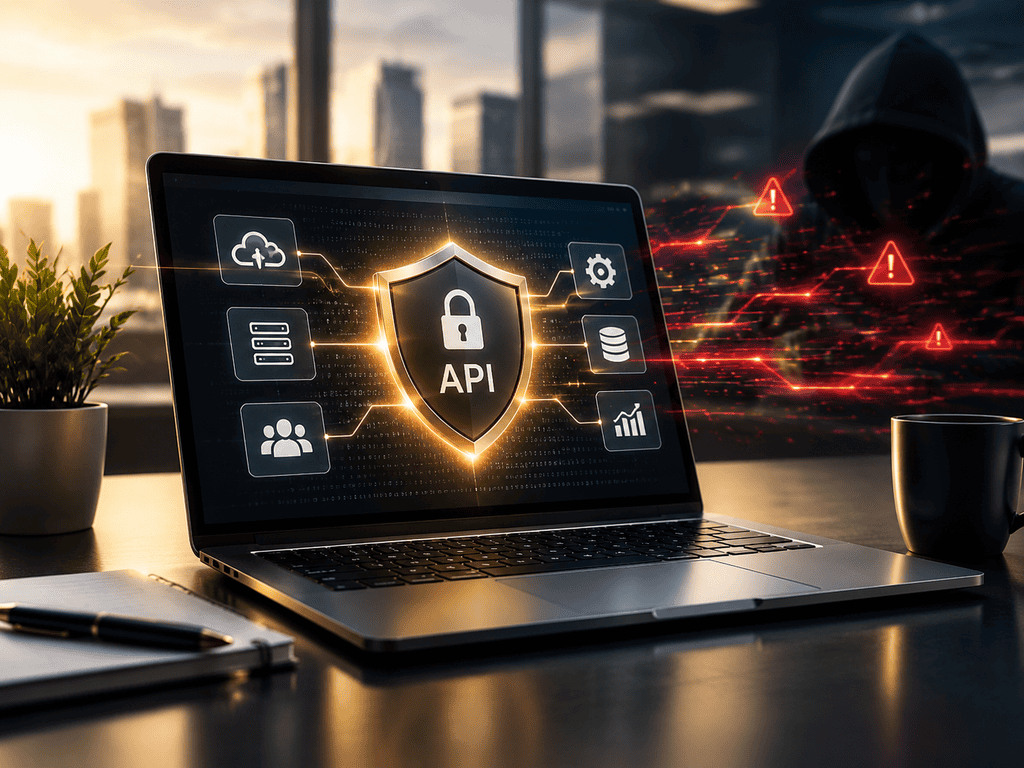
Rapid B2B automation, microservice adoption, and extensive third-party SaaS integrations have made Application Programming Interfaces (APIs) the core digital architecture of modern enterprise. However, this vast interconnectivity exposes key backend systems to persistent cyber threats. In 2026, maintaining rigorous corporate API security has become an absolute necessity for enterprise risk management, as over 70% of recorded web attacks now bypass web frontends to directly target underlying application endpoints.
Industry analysis from the OWASP API Security Top 10 Standard and technical directives like the CISA API Security Guidance highlight that the majority of modern breaches stem from flawed business logic. Driven by tight deployment schedules, development teams frequently neglect granular object-level access controls, creating severe vulnerabilities across backend environments. Compromised endpoints expose organizations to regulatory fines under frameworks such as the European Union’s EUR-Lex NIS2 Directive for Cybersecurity. Consequently, proactively preventing costly corporate data breaches must be treated as a strategic priority for technical executives.
Top Critical B2B API Vulnerabilities and Mitigation Tactics
Safeguarding complex B2B platforms against system disruption requires a structured API security audit targeting these key risk vectors:
- BOLA (Broken Object Level Authorization): The primary flaw where malicious actors alter object IDs within REST parameters to gain unauthorized access to peer records. Resolved by enforcing strict Attribute-Based Access Control (ABAC).
- Compromised Token Lifecycle & Weak Authentication: Static API keys present severe operational risks. Modern authentication frameworks mandate authorization via OAuth 2.1 with short-lived JWTs, paired with mTLS for mutual machine-to-machine validation.
- Shadow APIs (Undocumented Endpoints): Unmonitored legacy endpoints lacking documentation serve as unshielded entry points. Mitigated via automated OpenAPI discovery and centralized API Gateways.
- Lack of Rate Limiting: Vulnerability to automated scraping and DDoS vectors. Implementing strict request throttling per IP, token, and session prevents backend resource depletion.
Achieving long-term protection for all enterprise REST API components demands full adherence to the Zero Trust paradigm detailed in the NIST Zero Trust Architecture Guide.
Practical Checklist for Securing API Gateways and Data
To ensure compliance and mitigate integration risks, enterprise architectures should align with the ISO/IEC 27001 Information Security Standard:
- End-to-End Encryption: Enforcing mandatory TLS 1.3 across all internal and external API channels.
- Strict Parameter Sanitization: Backend filtering to eliminate SQL injection and remote code execution vulnerabilities.
- AI-Driven Anomaly Detection: Continuous real-time traffic monitoring to detect anomalous usage patterns automatically.
Secure Your Infrastructure: Solutions by Our Agency
Insecure APIs directly threaten operational stability, revenue, and brand trust. Our engineering team conducts end-to-end security evaluations, identifies hidden endpoints, and implements resilient protection architectures.
Our Services Include:
- Deep penetration testing focusing on BOLA and BFLA logic flaws.
- Deployment of enterprise API Gateways, OAuth 2.1, mTLS, and JWT lifecycle policies.
- Full alignment with global security mandates including ISO 27001 and NIS2.
Organizations can order an enterprise-grade API security audit directly from our technical team. Contact our engineers today to schedule a initial evaluation!

Frequently Asked Questions (FAQ)
What is BOLA and why is it considered the most dangerous API vulnerability?
BOLA (Broken Object Level Authorization) allows attackers to manipulate object IDs in API requests to gain unauthorized access to sensitive corporate or personal data due to missing server-side authorization checks.
How does API security differ from standard web application security?
Standard web security focuses on UI attack vectors (XSS, CSRF), whereas API security protects application logic, validates tokens, enforces rate limits, and governs access control across microservices.
How frequently should enterprise API security audits be conducted?
Automated scans should occur with every major release, while comprehensive penetration tests should be executed at least quarterly.
Are commercial API Gateways safe for enterprise deployment?
Yes, enterprise API Gateways centralize authentication, rate limiting, and DDoS defense effectively when configured under a Zero Trust model.
Which standards govern B2B API authorization in 2026?
Primary standards include OAuth 2.1, OpenID Connect, mTLS, short-lived JWTs, and the OWASP API Security framework.
How can we order a comprehensive corporate API security audit?
Submit a request on our website. Our technical team will perform penetration testing, map system vulnerabilities, and deploy a custom security architecture.